Our clinics and doctors do not work with German statutory health insurance (Krankenkassen)
Organization of treatment and rehabilitation in Germany.
Complete medical support.
English English ▼
+49 176 17917001 All departments

Cardiac Examination in Germany

A cardiac examination in Germany is a comprehensive diagnosis of the heart and blood vessels using modern equipment. German heart centres specialise in detecting coronary artery disease, arrhythmias, valve defects and cardiomyopathies. An accurate diagnosis is the basis for successful treatment and for preventing heart attack and stroke.
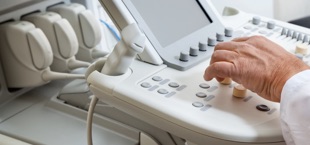
When is a heart examination needed?

Cardiac examination in Germany

A cardiac examination is recommended if there are symptoms or risk factors:

  • Chest pain – pressing or tight, especially on exertion;
  • Shortness of breath – during physical activity or at rest;
  • Palpitations – a feeling of skipped beats or a racing heart;
  • Swollen legs – in the evening, around the ankles;
  • High blood pressure;
  • Family history – heart attacks or strokes in relatives before the age of 55–65;
  • Risk factors – smoking, diabetes, obesity, high cholesterol.

A systematic cardiovascular risk assessment is recommended for men from the age of 40 and women from 50.

Methods of cardiac diagnostics

  • electrocardiogram (ECG) at rest and during exercise;
  • Holter monitoring (24-hour ECG);
  • echocardiography (heart ultrasound);
  • stress echocardiography;
  • bicycle and treadmill exercise tests;
  • 24-hour blood pressure monitoring;
  • CT coronary angiography;
  • cardiac MRI;
  • invasive coronary angiography;
  • electrophysiological study (EPS).

ECG and Holter monitoring

The electrocardiogram (ECG) is the basic test that records the electrical activity of the heart. It detects:

  • arrhythmias;
  • signs of myocardial ischaemia;
  • a previous heart attack;
  • thickening of the heart walls;
  • conduction disorders.

Holter monitoring is a continuous ECG recording over 24–72 hours: the patient wears a portable recorder and keeps an activity diary. The method detects intermittent arrhythmias that a normal ECG misses.

Echocardiography

Echocardiography (heart ultrasound) shows the structure and function of the heart. It shows:

  • the size of the heart chambers;
  • the thickness and motion of the walls;
  • how the valves work;
  • the ejection fraction (pumping function);
  • heart defects;
  • pericarditis and fluid in the pericardium.

German clinics also perform 3D echocardiography for a precise assessment of the heart anatomy.

Stress tests

Stress tests reveal hidden ischaemia that appears only during physical activity:

  • Bicycle ergometry – ECG during exercise on an exercise bike;
  • Treadmill test – ECG while walking on a treadmill;
  • Stress echocardiography – heart ultrasound before and after exercise;
  • Stress MRI – cardiac MRI with medication-induced stress;
  • Myocardial scintigraphy – assessment of blood flow in the heart muscle.

What is coronary angiography?

Coronary angiography is the reference method for diagnosing coronary artery disease: contrast agent is injected into the coronary arteries through a catheter, showing narrowings (stenoses) and blockages.

  • CT coronary angiography – non-invasive, without a catheter; suitable for patients with symptoms and a low or intermediate probability of coronary artery disease, not as a screening test for people without complaints;
  • Invasive coronary angiography – through the femoral or radial artery; if significant stenoses are found, a stent can be placed in the same procedure.

Cardiac CT and MRI

Cardiac CT measures coronary calcium (a marker of atherosclerosis), shows the coronary arteries and rules out diseases of the aorta. Cardiac MRI is the most informative method for assessing:

  • the structure of the heart muscle (cardiomyopathies);
  • scars after a heart attack;
  • inflammation (myocarditis);
  • heart tumours;
  • congenital heart defects.

Cardiac check-up programmes

Basic cardiac check-up (1 day)

ECG, echocardiography, blood tests (lipids, glucose) and a consultation with a cardiologist.

Extended cardiac check-up (1–2 days)

Plus exercise ECG, Holter, 24-hour blood pressure monitoring and ultrasound of the neck arteries.

Complete cardiac check-up (2–3 days)

Plus CT coronary angiography or stress MRI if indicated, and a case conference of specialists.

How much does a cardiac examination cost in Germany?

A cardiac examination in Germany costs from 250 € for a cardiologist consultation; a basic cardiac check-up costs from 1,500 € and a complete one from 4,000 €. The final price depends on the examinations the cardiologist considers necessary.

ExaminationCost
Cardiologist consultationfrom 250 €
ECGfrom 80 €
Echocardiographyfrom 350 €
Holter monitoringfrom 400 €
Exercise ECGfrom 300 €
CT coronary angiographyfrom 1,200 €
Cardiac MRIfrom 1,500 €
Invasive coronary angiographyfrom 3,500 €
Basic cardiac check-upfrom 1,500 €
Complete cardiac check-upfrom 4,000 €
Have questions? Free consultation
Call or write via Telegram / WhatsApp:
telegram +49 176 17917001 whatsapp

Or send us a message:

By clicking "Submit Application", you agree to the processing of personal data

Patient Relations Specialist Svetlana Malygina Your questions will be answered by Patient Relations Specialist Svetlana Malygina

Prepared by the Doktor München editorial team.
Updated:
This information is for reference only and does not replace a consultation with a doctor.