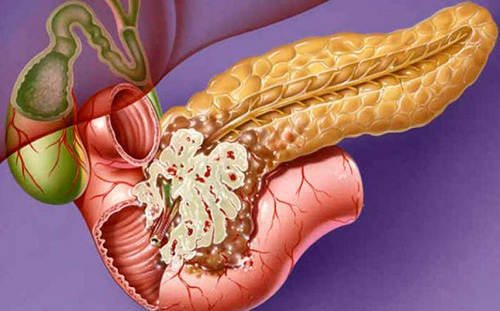




Prostate adenoma affects almost 20 % of men over 50 and more than 80 % of men over 65. To understand the disease and its mechanisms, a short look at anatomy helps.
The prostate is an organ of the male reproductive system that produces a secretion forming part of the seminal fluid, so it directly affects sexual and reproductive function. Because the prostate lies directly below the bladder and surrounds the bladder neck and the first part of the urethra, prostate diseases often affect urination.
What is prostate adenoma?
Prostate adenoma (benign prostatic hyperplasia, BPH; benign prostate enlargement) is a benign overgrowth of prostate tissue. It is not cancer and does not turn into cancer, but the enlarged gland can narrow the urethra. In early stages it causes no complaints and is often detected only by a specialist. Later stages cause considerable discomfort, can damage the bladder and kidneys and make treatment more difficult.
Symptoms of prostate adenoma
Not every enlarged prostate causes symptoms. The enlargement itself is not painful and does not require immediate surgery, but over time it can impair bladder emptying and lead to complications. See a urologist if you notice:
- a weak urine stream;
- delay in starting urination;
- prolonged urination;
- frequent urination, including at night;
- urinary incontinence (involuntary leakage when the bladder is overfull);
- straining with the abdominal muscles to urinate;
- a feeling of incomplete emptying (residual urine);
- acute urinary retention — inability to pass urine despite the urge;
- flank pain as a sign of urine backing up into the kidneys (in late stages).
As the disease progresses, residual urine accumulates in the bladder because the patient cannot empty it completely. A constant feeling of fullness and frequent urges follow. Urinary tract infections and bladder stones may develop — with pain on urination, fever, chills and sometimes blood in the urine.
In advanced stages urine backs up into the kidneys, which can lead to kidney failure. Sometimes the enlarged prostate blocks the urethra completely, causing acute urinary retention with painful overstretching of the bladder that requires immediate treatment.
Despite typical symptoms, treatment in Germany is only started after a thorough examination and a confirmed diagnosis.
Causes of prostate adenoma
The causes of benign prostatic hyperplasia are not fully understood. Age-related changes in male sex hormones are considered the main factor.
Dihydrotestosterone (DHT) plays an important role: it is formed from testosterone in the prostate tissue by the enzyme 5-alpha reductase. High DHT levels stimulate the growth of glandular, connective and muscle tissue of the prostate. Some medicines for the adenoma act exactly on this mechanism.
A changed balance between oestrogen and testosterone may also contribute: with age testosterone levels fall while oestrogen levels stay the same, and the relative excess of oestrogen slows the natural death of prostate cells. The influence of metabolism — obesity, diabetes and lack of exercise — is also discussed.
Diagnosis
- consultation with a urologist and the IPSS symptom questionnaire;
- digital rectal examination;
- ultrasound of the prostate (including transrectal) and measurement of residual urine;
- uroflowmetry — measurement of the urine flow;
- urinalysis, creatinine and PSA blood test to rule out prostate cancer;
- if cancer is suspected, prostate MRI and targeted biopsy.
Treatment of prostate adenoma in Germany
The treatment depends on the severity of symptoms, prostate size, complications and the patient’s wishes — for example preserving ejaculation.
- Watchful waiting — with mild symptoms, regular check-ups and lifestyle changes (less fluid in the evening, less caffeine and alcohol) are enough.
- Medication — alpha blockers (e.g. tamsulosin) quickly ease urination; 5-alpha reductase inhibitors (finasteride, dutasteride) shrink the prostate over several months; PDE-5 inhibitors and combinations are also used.
- Transurethral resection of the prostate (TURP) — the classic operation through the urethra, without incisions.
- Laser enucleation (HoLEP, ThuLEP) — removal of the enlarged tissue with a laser; suitable even for very large prostates, with little blood loss.
- Gentle procedures — Aquablation (tissue removal with a water jet), UroLift implants, Rezūm water vapour therapy, prostate artery embolisation. Many of them preserve ejaculation.
- Open or robotic simple prostatectomy — for very large prostates when endoscopic methods are not possible.
Whatever the cause, treatment is started only after thorough diagnostics. German urology clinics, including the clinic in Landshut, master the full range of procedures and choose them individually.