
Organization of treatment and rehabilitation in Germany.
Complete medical support.
Complete medical support.





+49 176 17917001
All departments

Coronary angiography, or coronarography, — is a minimally invasive diagnostic procedure during which the doctor studies the heart vessels using a contrast agent. The technique allows identifying various pathologies, including coronary heart disease, angina pectoris, as well as preventing cardiac arrest due to arterial blockage. You can undergo the procedure without prolonged hospitalization in German clinics.
Doctors recommend coronary angiography for:
Coronary angiography — is the gold standard in diagnosing coronary heart disease. This is the most reliable method, surpassing other diagnostic procedures in terms of accuracy. During the procedure, the doctor determines the location and degree of narrowing of the coronary vessels. The specialist's conclusion allows selecting a treatment strategy individual for each patient, as well as assessing the condition of the arteries after intervention.

Coronary angiography is not prescribed for:
There are no age restrictions for the procedure. In addition, the procedure can be performed in the presence of contraindications if its diagnostic value is higher than the potential risks for the patient.
Angiography does not require complex preparation. Preliminary hospitalization is not needed. The procedure is performed on an empty stomach, so the last meal should be the evening before. This is necessary to avoid vomiting.
Before a planned coronary angiography, the patient may be prescribed a number of tests and instrumental diagnostic procedures, including:
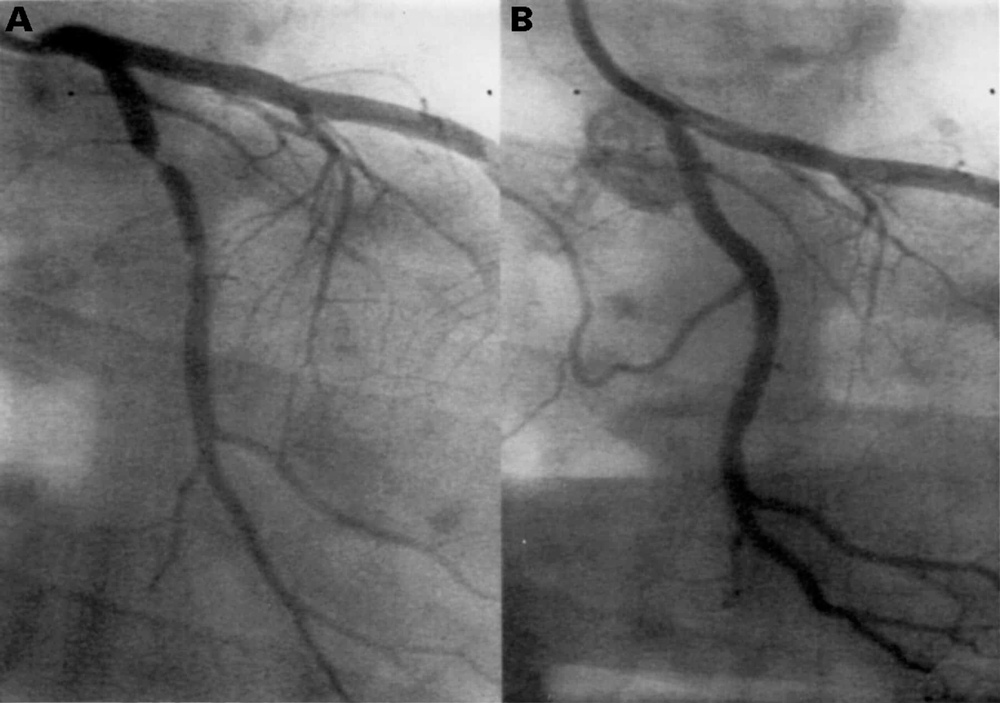
The diagnostic procedure can be performed by three different methods:
The study can be general, when all coronary arteries are examined. This is the classic version of diagnosing heart pathologies. The result is recorded on a disc for further study by the doctor. The second option for coronary angiography — is selective, when the specialist examines vessels selectively. The advantage of this approach — is time saving and the ability to repeat to obtain images in different projections.
Coronary angiography — is a painless procedure that is performed on an outpatient basis in an operating room equipped with X-ray equipment and lasts from 30 to 60 minutes. The patient is conscious, but in rare cases anesthesia may be used.
Coronary angiography is performed by an endovascular surgeon, who during the procedure:

The diagnostic procedure is performed in several stages:
After the procedure, the patient remains in the hospital under medical supervision for several more hours — from 5 to 10 depending on blood clotting indicators and general well-being. You can eat immediately after the intervention. To quickly remove the remnants of the contrast agent, it is recommended to drink more fluids.

If the catheter was inserted through the femoral or groin artery, bed rest is required. When performing the procedure through the wrist, restriction of mobility is not required, since the risk of bleeding is minimal.
After catheter placement, minor painful sensations may persist or a small hematoma may form — these are normal consequences that do not require medical intervention.
After discharge from the clinic, it is recommended to:
As a result of the procedure, the patient may develop:
Diagnosis with coronary angiography — is a safe procedure that is rarely accompanied by complications. The probability of mild deterioration in the patient's condition does not exceed 2%, and the risk of life-threatening pathologies is less than 0.1%. Elderly people, as well as people with diabetes and kidney failure, are more susceptible to complications.
Coronary angiography in German medical centers — is a painless, fast procedure that allows timely diagnosis of severe heart pathologies and selection of an adequate treatment regimen.
Advantages of undergoing the study in Germany:
The cost of coronary angiography in Germany depends on the method of access to the heart vessels, as well as the course of the recovery period. Prices are listed in the price list.
If you need to undergo coronary angiography before heart surgery, to rule out pathologies or prescribe treatment, contact our company. We will select a clinic specializing in the treatment of heart and vascular diseases, help with visa processing and organize a transfer to Germany.


 +49 176 17917001
Or send us a message:


