







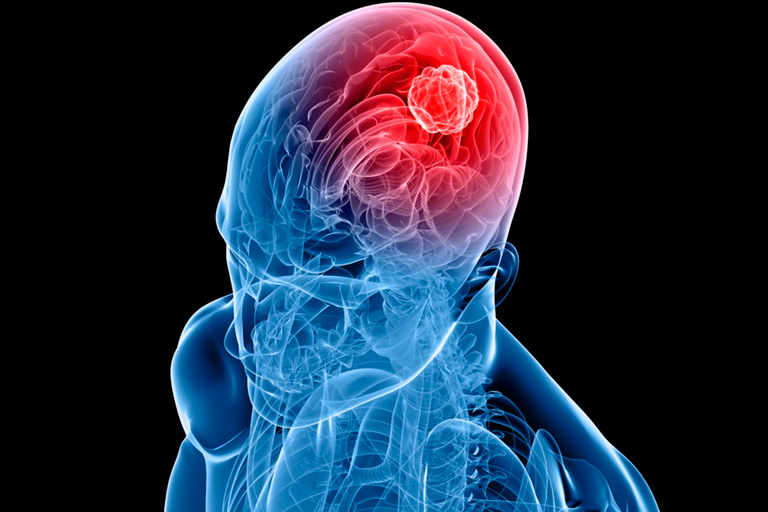
The causes of cancer are not fully understood; we can speak with certainty only about risk factors and the stages of the disease. Modern cancer treatment in Germany is based on precise staging and also takes into account the patient’s general condition, the tumour type and its molecular features.
How the stage is determined: the TNM system
Doctors describe the extent of a tumour using the international TNM classification: T — size and depth of the primary tumour, N — involvement of regional lymph nodes, M — distant metastases. Together they give a stage from 0 to IV. The criteria differ for each organ, so lung cancer and bowel cancer at the “same” stage can have a different prognosis.
Key stages
The subject is serious, but it is better to know how a tumour develops than to remain in the dark:
Stage 0 (carcinoma in situ). The tumour cells are only in the lining (epithelium) where they arose and have not grown deeper. There are no symptoms. Treatment started at this stage almost always leads to a complete cure — screening (for example cervical smear or colonoscopy) looks for exactly these changes.
Stage I. The tumour is small and confined to the organ, lymph nodes are not affected, there are no metastases. It is hard to detect because there are no symptoms, but with timely diagnosis and proper treatment the chances of cure are very high — usually above 80–90 %.
Stage II. The tumour is larger or has grown deeper into the organ wall and surrounding tissue; depending on the organ, single lymph nodes may be affected. The disease is still local and curable in most cases, although treatment is usually combined (surgery plus chemotherapy or radiotherapy). The doctor assesses the prognosis individually.
Stage III. The tumour has spread to neighbouring structures and/or many regional lymph nodes are affected, but there are no distant metastases. Treatment is intensive — chemotherapy or radiotherapy is often given before surgery. Many patients at this stage are cured.
Stage IV. There are distant metastases — in the liver, lungs, bones, brain or other organs. This is the most serious stage: the aim of treatment is usually long-term disease control and quality of life. Modern drug therapy turns many cancers into a chronic disease, and in some (for example single metastases of bowel cancer or testicular cancer) a cure is possible.
How fast does a tumour grow?
The speed varies greatly: some tumours (for example many prostate cancers) develop over years, others (acute leukaemias, small-cell lung cancer) within weeks. Waiting to “see what happens” is therefore dangerous: with worrying symptoms it is better to see a doctor straight away. Cancer clinics in Germany help patients at any stage, with comprehensive treatment according to international standards.


