



Regenerative methods — platelet-rich plasma (PRP), concentrated growth factors (CGF) and mesenchymal stromal cells from the patient’s own fat tissue — are increasingly being studied in urology. The idea is to use the body’s own biological substances to reduce inflammation and stimulate tissue repair. Below is where these methods are being tried and what is known about them today.
Chronic non-bacterial prostatitis / chronic pelvic pain syndrome
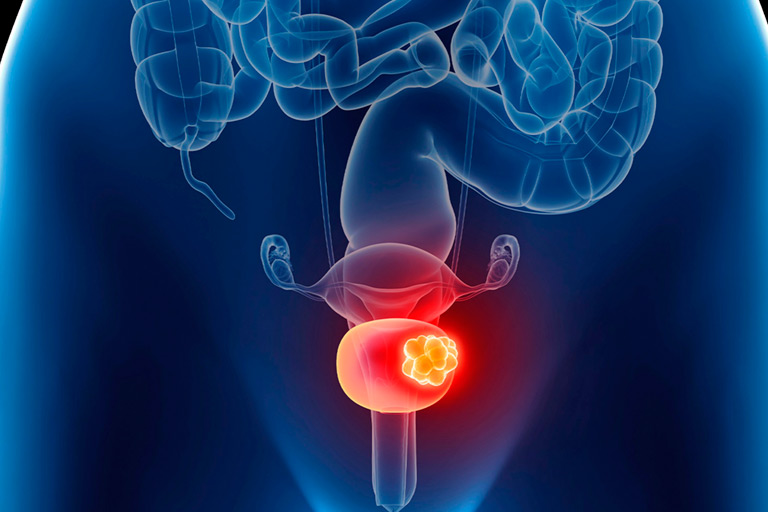
The approach involves injecting anti-inflammatory PRP/CGF components obtained from the patient’s blood into the prostate tissue, alone or together with mesenchymal cells from subcutaneous fat. The injection is performed under imaging guidance.
These components are thought to release immunomodulating substances and growth factors, reduce inflammation and support cell repair. However, the method is still under investigation: high-quality data on its effectiveness are scarce. Standard treatment includes medication, pelvic floor physiotherapy, shock wave therapy and pain management.
Urinary and faecal incontinence in women and men
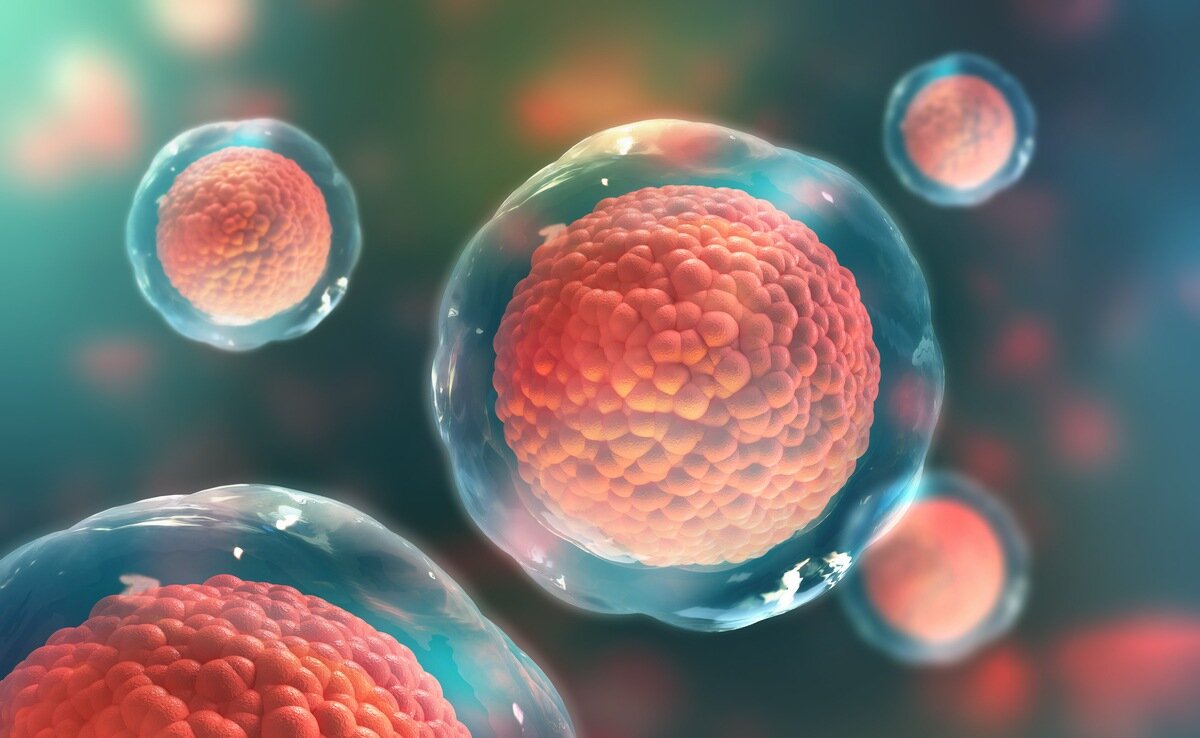
Mesenchymal cells from the patient’s fat tissue are mixed with concentrated growth factors (CGF) from their blood; a gel is made from these components and injected under imaging guidance into the weakened sphincter and surrounding tissue.
The gel acts as a bulking agent that helps retain urine, and according to experimental studies the cells may help restore the muscle fibres of the sphincter. A similar approach is being studied for faecal incontinence.
The first clinical studies of cell therapy for urinary incontinence have shown encouraging results, but the effect varies from patient to patient and larger trials are needed before widespread use. Proven treatments for incontinence are pelvic floor muscle training, medication, sling operations and the artificial sphincter.
Regenerative methods are not suitable for everyone and should be prescribed by a urologist after examination, in a specialised centre. We can arrange a consultation with leading urologists in Germany to choose the best treatment — standard or innovative.