
Organization of treatment and rehabilitation in Germany.
Complete medical support.
Complete medical support.


+49 176 17917001
All departments
Arthritis is a common joint disease that can affect anyone, regardless of gender and age. Worldwide, there are more than 50 million arthritis patients, and in the United States, this pathology is considered the main cause of disability. Arthritis treatment in Germany is a real chance to restore joint health and forever forget about pain and stiffness.

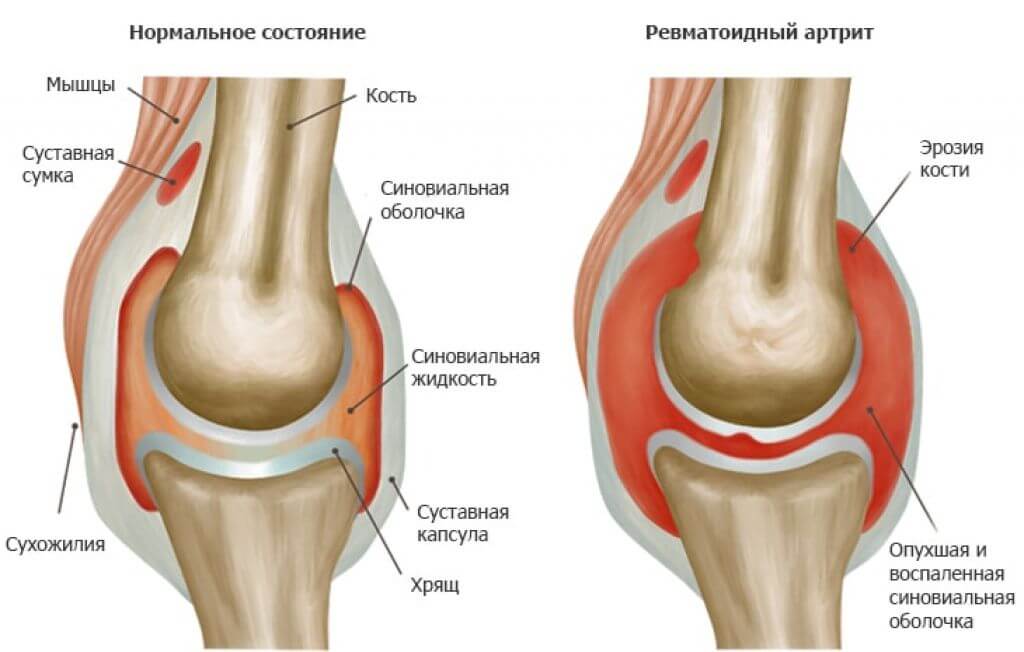
Arthritis is an inflammatory joint disease accompanied by:
The cause of the pathology lies in metabolic disorders, previous infections, and various injuries. Initially, the inflammatory process is localized only in the synovial membrane, and then spreads to the entire joint area, affecting the nearby cartilage and bone tissue.
With improper treatment or its absence, rheumatoid arthritis and other forms of the disease cause serious consequences. The cartilage ossifies, the joint deforms, its mobility is limited – these are signs of arthrosis, which most often affects the knees, feet, ankle, and hands.
Preliminary diagnosis of rheumatoid arthritis at the clinic is based on patient complaints and examination. The doctor evaluates the nature of pain, degree of mobility, presence of rheumatic nodules, contractures, and soft tissue swelling.
Treatment is preceded by laboratory diagnostics for:
In German clinics, instrumental diagnostic methods are considered the most informative:
Modern diagnostic methods allow maximum visualization of the problem area and accurately assess the degree of joint damage in rheumatoid arthritis and other forms of the disease.
Doctors at German clinics focus on conservative treatment and new minimally invasive therapeutic methods that are well tolerated by patients. A comprehensive approach to rheumatoid arthritis therapy yields excellent results using:
Arthritis therapy in Germany is carried out using laser techniques – an excellent way to relieve inflammation in chronic disease. The doctor may recommend moderate physical exercises, therapeutic swimming, and physiotherapy. In some cases, after diagnosis, a diet may be required to eliminate excess weight and reduce the load on the affected joint.
The most popular method of minimally invasive joint treatment in Germany is arthroscopy. It is chosen for its non-traumatic nature and safety as an alternative to arthrotomy – complete opening of the diseased joint.
The operation involves making two small punctures in different parts of the affected area. One puncture is for inserting the arthroscope, the second is for surgical manipulations. The arthroscope provides excellent visualization of the working area. The doctor clearly sees the degree of joint, cartilage, and bone damage and can perform manipulations with high precision.
During minimally invasive surgery, special miniature instruments are used. They do not traumatize adjacent tissues, allowing safe removal of non-functional areas and restoration of deformed joint sections in rheumatoid arthritis.
Replacing damaged joints with artificial ones is a last resort. This method is used when the disease is advanced and conservative treatment methods at the clinic are impractical.
German doctors are pioneers of the endoprosthetics method, so German clinics hold a leading position in the number of such operations. A prosthesis for rheumatoid arthritis and arthrosis partially takes over the functions of the real joint, but cannot completely replace it. Therefore, orthopedists recommend not delaying treatment of the skeletal system to manage with conservative and minimally invasive techniques.

Another new highly effective micro-invasive intervention technique for joint diseases is regenerative therapy. It is based on natural regeneration processes inherent in the human body.
Treatment uses an autologous concentrate consisting of the patient's venous blood and fat cells. Under the control of special equipment, the preparation is injected into the diseased joint, thereby triggering the restoration processes of damaged tissues. In Germany, the method is widely used for treating rheumatoid arthritis, arthrosis, osteoarthritis, and gouty arthritis.

The main goals of rehabilitation at the clinic are to restore motor functions of the affected joint and prevent further disease progression. Rehabilitation of patients with signs of rheumatoid arthritis in Germany is carried out using the following methods:
Based on indications, a German clinic doctor may prescribe acupuncture, magnetic therapy, laser treatment, and massage sessions.
The price for diagnosis and treatment of joint diseases in Germany depends on a number of factors. The final cost is formed after compiling a diagnostic plan, determining the set of treatment procedures, and the rehabilitation program. The price list also takes into account the time spent at the clinic and the cost of purchasing medications.
In this table, you can see approximate prices for orthopedic services in Germany:
| Service Name | Price, € | Additional |
|---|---|---|
| Arthritis Diagnosis | 5000–5500 | 5 days, inpatient |
| Endoprosthetics | — | 3 days, inpatient |
| Periarticular Osteotomy | 7000–9000 | 9 days, inpatient |
| Arthrodesis | 19000–25000 | 10 days, inpatient |
Treatment in Germany means:
If you want to undergo rheumatoid arthritis treatment in Germany, our company will help you choose the best specialized specialist. We will select the most modern and effective treatment method specifically for your diagnosis. If necessary, we will request additional information from you so that the orthopedic doctor has a complete picture of the joint condition even before your arrival in Germany. You can count on several offers in different price categories that will fit your budget.


 +49 176 17917001
Or send us a message:


