



What is DOTATATE therapy?
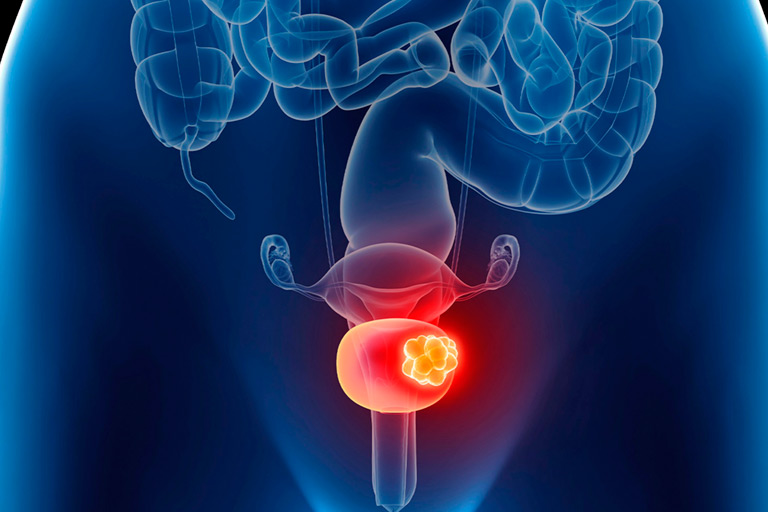
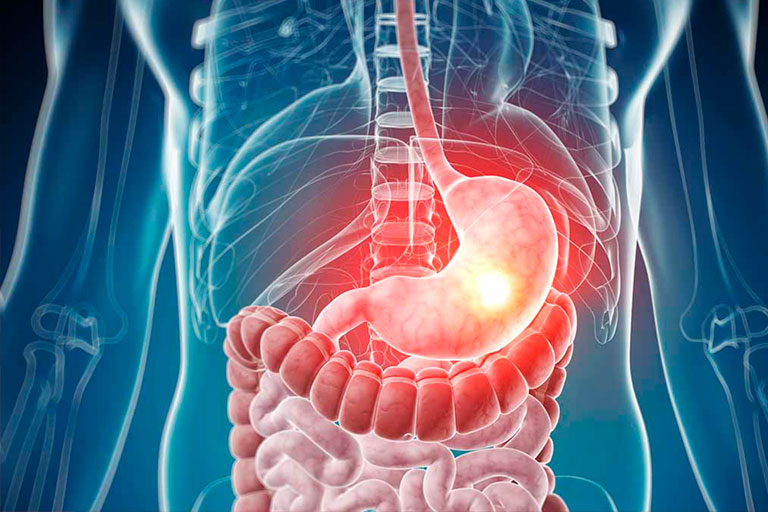
Lutetium-177 DOTATATE therapy (Lutathera) is a treatment for patients with inoperable or metastatic neuroendocrine tumours. It is also called peptide receptor radionuclide therapy (PRRT) or somatostatin receptor radioligand therapy. In the European Union it was approved in 2017 for well-differentiated neuroendocrine tumours of the gastrointestinal tract and pancreas.
Neuroendocrine cells are present in every human body, mainly in the gastrointestinal tract, lungs and pancreas. Their function is to produce hormones and other regulatory substances. Body cells are regularly renewed by division, and sometimes a fault occurs when neuroendocrine cells divide: the new cells divide more often than others and no longer die. This is how a neuroendocrine tumour (NET) develops. Fortunately, most NETs grow slowly.
Many neuroendocrine tumours produce hormones themselves. The excess causes the so-called carcinoid syndrome: flushing, abdominal pain, diarrhoea, shortness of breath, heart valve damage and spider veins (telangiectasia).
Once metastases are present, a complete cure is usually not possible. Chemotherapy, surgery, external radiotherapy, somatostatin analogues and targeted drugs help, but in many cases do not stop tumour growth for long. Lutetium-177 therapy opens up new possibilities for these patients.
How does lutetium-177 DOTATATE therapy work?
The surface of neuroendocrine tumour cells carries many receptors for the hormone somatostatin. DOTATATE is a synthetic substance very similar to somatostatin: it finds these receptors and binds firmly to them. For treatment, DOTATATE is linked to the radioactive isotope lutetium-177. After intravenous injection the drug accumulates in the tumour cells and irradiates them from within.
The beta radiation of lutetium-177 reaches only up to 2 mm, so mainly the tumour cells are irradiated and the surrounding healthy tissue is largely spared.
Part of the drug is excreted through the kidneys. To protect them, an amino acid solution is infused at the same time. It is well tolerated, although it sometimes causes nausea.
Which tumours can be treated with lutetium-177?
The key requirement is a molecular “target” on the tumour. For DOTATATE therapy the tumour cells must have enough somatostatin receptors. This is checked before treatment by PET-CT with a labelled somatostatin analogue (e.g. Ga-68 DOTATATE) or scintigraphy: if the lesions “light up” brightly, therapy is possible.
Besides neuroendocrine tumours, lutetium-177 is also used in a different drug — lutetium-177 PSMA — for metastatic prostate cancer. There the target is the PSMA protein on prostate cancer cells, and its presence is checked with PSMA PET.
Course of lutetium-177 therapy
Treatment takes place in a nuclear medicine department; the hospital stay usually lasts 2–4 days — under German radiation protection rules the patient stays until the radiation has decreased.
Before therapy there is a consultation with the nuclear medicine specialist and an intravenous line is placed. The amino acid infusion to protect the kidneys is started (about 4 hours), and about 30 minutes later lutetium-177 DOTATATE is infused.
24 and 48 hours after the infusion a whole-body scintigraphy is performed to assess the distribution of the drug.
The standard course is 4 cycles about 8 weeks apart; the number may vary depending on tolerability. Between cycles blood counts and kidney function are monitored regularly, and a follow-up PET-CT is done a few months after treatment.
Effectiveness and side effects
In the large international NETTER-1 trial in patients with metastatic small-intestinal NETs, lutetium-177 DOTATATE significantly prolonged the time without disease progression compared with high-dose octreotide (median about 28 months versus 8.5 months). Tumour shrinkage was seen in roughly one in five patients, and in most of the others the disease stabilised. Many patients report relief of carcinoid syndrome symptoms and better quality of life.
Earlier studies in the Netherlands showed similar results: complete disappearance of the tumour in about 2 % of cases, shrinkage by more than 50 % in about 22 % and stabilisation in about half of patients; the response was higher in pancreatic NETs.
The therapy is usually well tolerated. Nausea and vomiting (mostly due to the amino acid solution), fatigue and a temporary drop in blood counts may occur. Rare long-term complications are kidney impairment and bone marrow disorders (about 1–2 %), which is why regular monitoring is important.